Demo Play and the Rules That Shape It
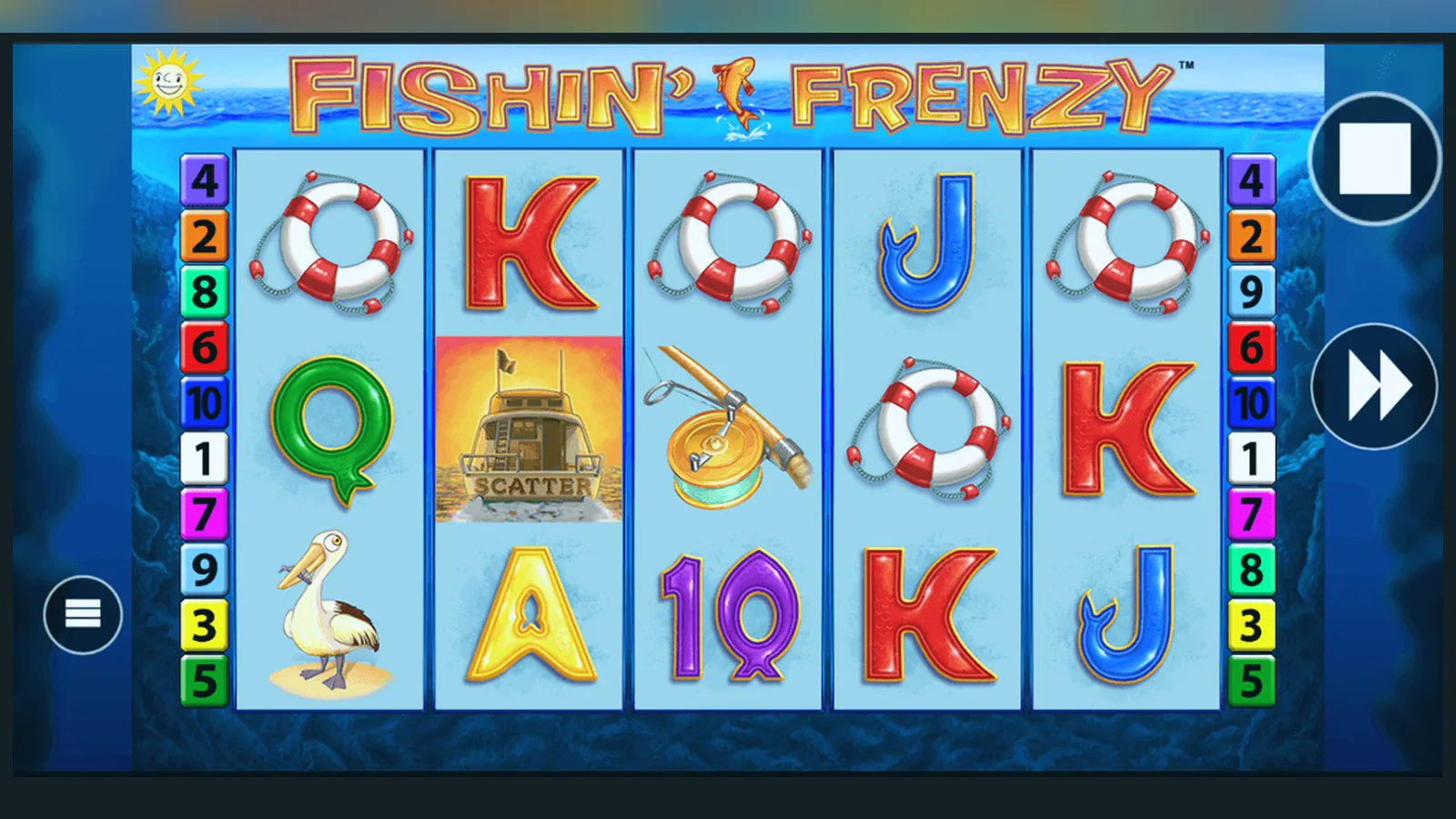
The bet slider runs from £0.10 to £5.00 — the same range you'll find when you switch to real money, because the UK Gambling Commission enforces a £5 stake cap on every slot spin. That cap drops to £2.00 if you're between eighteen and twenty-four, and the demo reflects whichever limit applies to your account once you log in. The free version is a mirror of the paid one, right down to the speed of the reels and the distribution of symbols, but it hides the parts of the experience that only matter when actual cash is moving: withdrawal queues, KYC document checks, and the forty-times wagering that comes with most welcome bonuses.
This page walks through how demo play works on UKGC-licensed sites, what the practice session reveals about the real game, and where the model breaks down. We'll cover the mechanics you can test for free, the systems you can't see until you deposit, and the lowest-risk path from virtual spins to a first real-money session.
Where the demo lives and who can see it
Most UK casino sites offer a demo build of Fishin Frenzy, but access rules vary. Some operators let you load the game without an account — you click « play for fun » and the slot opens in your browser with a virtual balance. Others gate the demo behind age verification: you need to register, upload a photo of your driving licence or passport, and wait for approval before the free-play button appears. The second model is increasingly common, because the UKGC expects operators to keep under-eighteens away from anything that resembles gambling, even if no money changes hands.
If you're already signed in to a licensed site, the demo usually sits next to the real-money version in the game lobby. You pick the mode, and the slot loads with the same interface — same bet selector, same paytable, same autoplay controls. The only visible difference is the balance: instead of your GBP deposit, you see a placeholder figure like 1,000 credits. That number resets every time you refresh the page, so there's no way to run out of practice funds.
What a demo session shows you
The practice build runs the same random-number generator as the real game, which means the hit frequency, the spacing of bonus rounds, and the RTP all match. You can test the full bet range, watch how often the fisherman appears to upgrade symbols, and see whether the free-spins round triggers as frequently as the paytable suggests. If you set the stake to £5.00, the demo will show you the kind of swings that happen at the top of the range — long stretches without a win, then a sudden multi-line hit that covers twenty or thirty spins. If you drop the bet to £0.10, the volatility doesn't change, but the pound value of each win shrinks in proportion.
You can also test the autoplay settings: pick a number of spins, set a single-win limit or a loss cap, and let the game run while you watch the pattern. The demo respects those stop conditions, so you'll see exactly how the real version behaves when you walk away from the screen. The pace is identical, too — the reels spin at the same speed, the fisherman animation takes the same two seconds, and the free-spins round plays out in real time. Nothing is sped up or simplified.
- Bet range from £0.10 to £5.00, or £0.10 to £2.00 if you're eighteen to twenty-four
- The same RTP and hit frequency as the real build
- Autoplay with loss and win limits, matching the live controls
- Full-speed animations and reel spins
What the demo hides from view
The practice version doesn't involve withdrawal flows, so you won't see the KYC queue that appears when you cash out for the first time. On a real deposit, the operator will ask for a bank statement or utility bill to confirm your address, then match your ID against credit-reference data to satisfy affordability rules. That process can take twenty-four to forty-eight hours, and it delays your first payout. The demo skips all of it, because no money is leaving the site.
Bonus terms are invisible in free play. If you claim a welcome offer — say, a hundred-per-cent match up to £50.00 — you'll need to wager the bonus and deposit forty times before you can withdraw. The demo balance doesn't track wagering progress, and it doesn't lock wins until you clear the requirement. You also won't see the affordability check that kicks in once your net deposits cross £150.00 in a month: the operator pulls your credit file, looks at income and existing commitments, and decides whether to let you deposit more. That system is invisible until you fund the account.
The self-exclusion tools — GAMSTOP, deposit limits, session reminders — don't appear in the demo interface, because they're tied to your real-money account. If you register with GAMSTOP, every UKGC-licensed site locks you out for six months to five years, but the demo remains accessible until you create a verified account.
Demo play on a mobile device
The game runs in a mobile browser without an app download. You open the casino site in Safari or Chrome, navigate to the slot, and tap the demo button. The interface scales to fit your screen: the bet controls move to the bottom edge, the paytable opens as a slide-up panel, and the reels shrink to leave room for the balance and spin button. The touch targets are larger than the desktop version, so you won't accidentally change the stake when you mean to spin.
Some operators package their catalogue into a web app that you can save to your home screen, but it's still a browser wrapper — not a native iOS or Android build. The demo works the same way in either case. If you switch between portrait and landscape, the layout adjusts, but the bet range and RTP stay constant. The only difference you might notice is load time: a 4G connection can add two or three seconds to the initial spin, especially if the site serves a lot of high-resolution assets.
Numbers that carry over and numbers that don't
The RTP is locked at the provider level, so the 96.00-per-cent figure you see in the demo paytable is the same one that governs real-money spins. The hit frequency — how often any win lands, regardless of size — also carries over, because both builds use the same RNG and reel configuration. If the demo delivers a win every fourth spin on average, the paid version will do the same over a long sample.
What doesn't carry over is the balance. The virtual credits reset every session, and there's no continuity between demo runs. If you trigger the free-spins round in practice mode and win 200 times your stake, that number vanishes when you close the browser. On the real game, every win adds to your withdrawable balance, minus any bonus-wagering requirement. The demo also doesn't track your session history: you can't review past spins, check your biggest win, or see how long you played. Those logs only exist when the site is recording actual bets.
The lowest-risk switch to real money
If the demo convinces you to fund an account, the safest first step is a small deposit — £10.00 or £20.00 — without claiming a bonus. That gives you a clean balance with no wagering requirement, so any win is immediately withdrawable once you clear KYC. You can test the same bet you used in the demo and see whether the results match your practice session. Volatility means they won't align spin-by-spin, but over fifty or a hundred rounds, the hit frequency should feel consistent.
Set a deposit limit before you start. UKGC sites let you cap your spending by day, week, or month, and the system blocks further deposits once you reach the threshold. If you're new to the game, a £50.00 weekly limit keeps the downside manageable while you learn how the bonus round behaves under real conditions. You can raise the limit later, but the increase takes twenty-four hours to activate — a cooling-off window that prevents impulsive top-ups after a losing streak.
- Register with a UKGC-licensed operator and complete age verification.
- Deposit £10.00–£20.00 using a debit card or Open Banking; avoid welcome bonuses on the first deposit.
- Set a weekly or monthly deposit limit in your account settings.
- Play the same bet size you tested in the demo, and compare the hit rate over fifty spins.
- Request a withdrawal after your first win to test the KYC process and payout speed.
The first withdrawal takes the longest — expect one to three working days for the operator to approve your documents and another day for the funds to reach your bank via Faster Payments. After that, repeat payouts usually clear within a few hours if you use an e-wallet, or the same working day if you withdraw to a debit card. Keep the credit-card ban in mind: you can't deposit or withdraw using Visa Credit or Mastercard Credit, even if the card is in your own name. Debit cards, PayPal, and bank transfers are the only legal routes.
When the demo stops being useful
Once you understand the bonus mechanics and the bet range, the demo's value drops. You can't test withdrawal speeds, you can't see how bonus wagering affects your ability to cash out, and you can't experience the affordability checks that start at £150.00 net deposits per month. The practice build is a sandbox for learning the rules, not a substitute for the financial systems that govern real play.
The demo also can't prepare you for the emotional side of volatility. A fifty-spin losing streak feels different when it's eating into your own deposit rather than a virtual balance that resets at will. The game's maths don't change, but your decision-making does, and that's the part you can't rehearse in free play. If you find yourself chasing losses or raising your stake to recover a bad run, take a break and revisit your deposit limit. The UKGC rules are designed to slow you down at that point — the twenty-four-hour delay on limit increases, the credit-reference check at £150.00, the mandatory session reminders — but they only work if you let them.
FAQ
Do I need to register to play the demo?
It depends on the operator. Some UKGC sites let you load the demo without an account, while others require age verification before you can access free play. If the site asks for ID, expect to wait up to twenty-four hours for approval. Check the footer for the UKGC licence number to confirm you're on a regulated platform.
Is the demo RTP the same as the real game?
Yes. The demo and real-money builds run the same random-number generator and reel configuration, so the 96.00-per-cent RTP applies to both. Hit frequency, bonus-round triggers, and volatility are identical. The only difference is that demo wins don't add to a withdrawable balance.
Can I play the demo on my phone without downloading an app?
Yes. The game runs in a mobile browser — Safari, Chrome, or Firefox — without an app install. Some sites offer a web-app shortcut you can save to your home screen, but it's still browser-based. The interface scales to fit your screen, and the bet range stays £0.10 to £5.00 regardless of device.
What happens when I switch from demo to real money?
You'll need to deposit using a debit card, PayPal, or Open Banking — credit cards have been banned for gambling since 2020. The first withdrawal triggers a KYC check: you upload ID and proof of address, and the operator matches your details against credit-reference data. That process takes twenty-four to forty-eight hours. Subsequent payouts clear faster, usually within a few hours to a working day, depending on your payment method.